December 7th, 2025
Aurora Tips
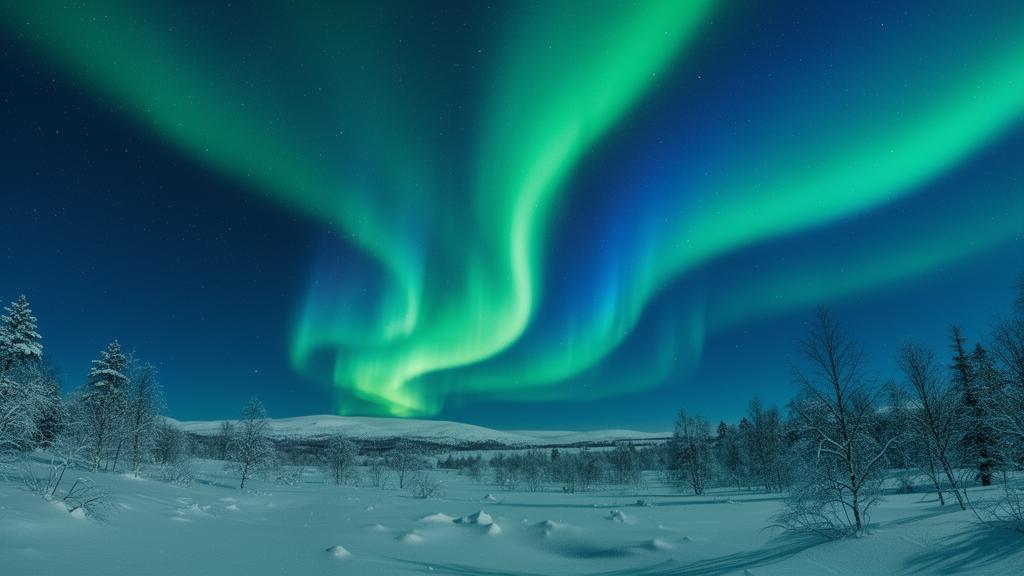
The Science Behind the Northern Lights
Discover the fascinating science that creates the magical aurora borealis dancing across the Arctic sky.
## The Magic Explained: Aurora Borealis Science
The Northern Lights are one of nature's most spectacular phenomena. Here's the science behind the magic.
### How Auroras Form
1. **Solar Wind**: The sun releases charged particles into space
2. **Magnetic Field**: Earth's magnetosphere captures these particles
3. **Atmospheric Collision**: Particles collide with oxygen and nitrogen
4. **Light Emission**: Energy is released as colorful light
### Aurora Colors
- **Green**: Oxygen at 100-300km altitude (most common)
- **Red**: Oxygen above 300km
- **Blue/Purple**: Nitrogen
- **Pink**: Mix of colors at lower altitudes
### Aurora Shapes
- **Arcs**: Stable bands across the sky
- **Curtains**: Rippling vertical structures
- **Coronas**: Overhead explosions of light
- **Pulsating**: Rhythmic flickering patches
### Why Yellowknife?
Located at 62.5°N latitude, Yellowknife sits directly under the auroral oval, making it one of the world's premier aurora destinations.
### Fun Facts
- Auroras also occur on other planets
- They can produce sounds (rare crackling)
- Indigenous peoples have rich aurora legends
Share this article
Commentaires (0)
Laisser un commentaire
Articles connexes
Dec 21, 2025
Best Time to See Northern Lights in Yellowknife
Discover the optimal months and conditions for witnessing the spectacular Aurora Borealis in Yellowknife, Canada's premier Northern Lights destination.
Lire la suite
Dec 18, 2025
Essential Aurora Photography Tips for Beginners
Learn how to capture stunning Northern Lights photos with these essential camera settings and techniques for beginners.
Lire la suite
Dec 11, 2025
Understanding Aurora Forecast and KP Index
Learn how to read aurora forecasts and understand the KP index to maximize your chances of seeing the Northern Lights.
Lire la suite